

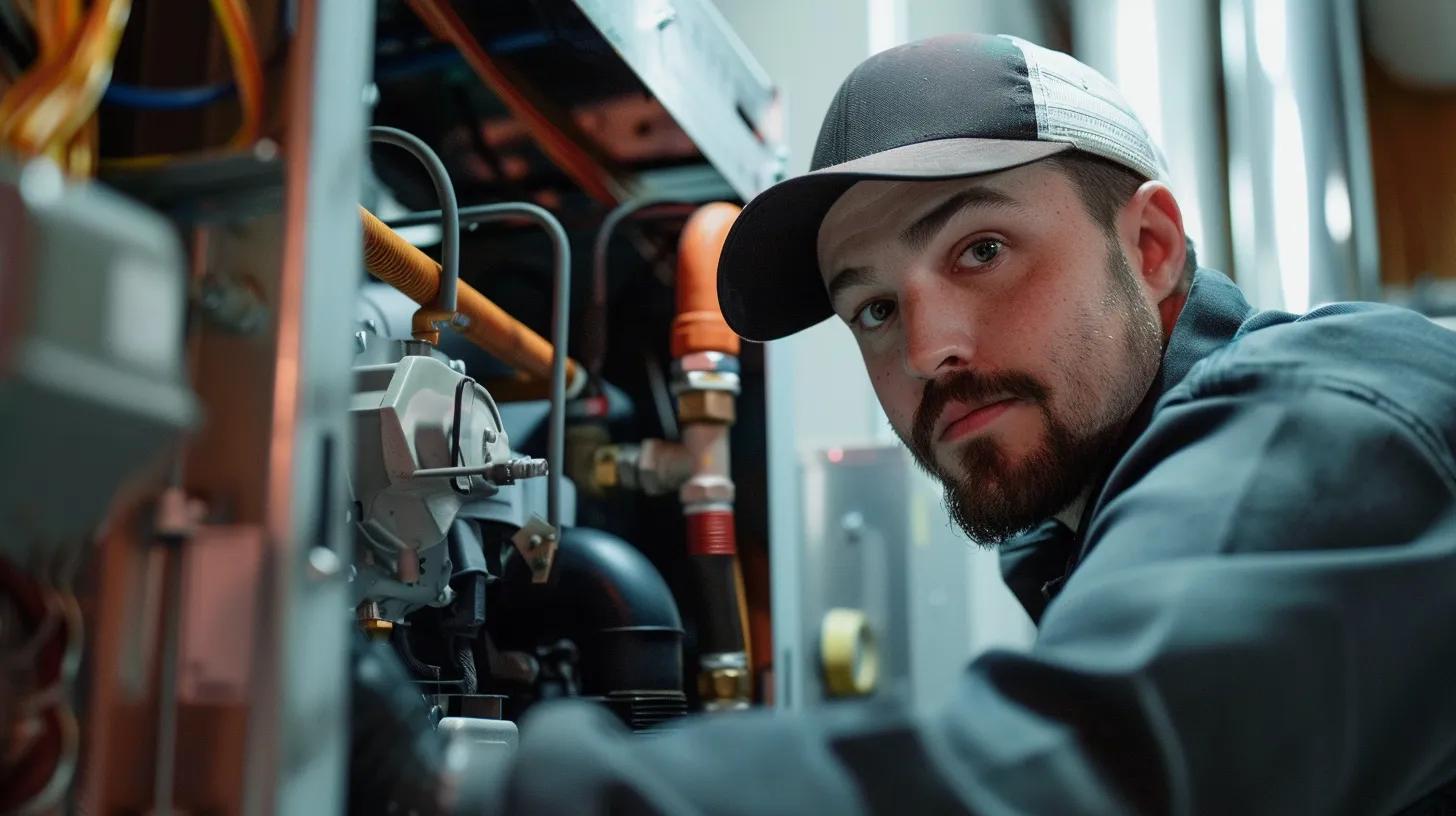
DIY Furnace Maintenance Checklist — Simple Steps to Keep Your Home Safe & Efficient
Doing basic furnace maintenance yourself can keep your heating system safer, more reliable, and more efficient through Atlanta’s cooler months. Regular preventative care improves airflow, keeps combustion running properly, and reduces wear on key parts like the blower motor and heat exchanger — which can lower energy bills and repair costs. This guide walks you through clear, homeowner-safe steps — from changing filters and checking the thermostat to testing carbon monoxide detectors — and explains which warning signs mean you should call a pro. You’ll also get a seasonal schedule tuned for the Atlanta area. When you need hands-on help or a quote, contact Just Cooling Air Conditioning and Heating to schedule service or request an estimate. Read on for prioritized tasks, safety checks, troubleshooting tips, and timing advice to keep your furnace running smoothly.
What Are the Key DIY Furnace Maintenance Tasks Every Homeowner Should Know?
A few straightforward homeowner tasks protect airflow, keep controls accurate, and cover basic safety checks that prevent common breakdowns. Doing these regularly — replacing filters, checking the thermostat, clearing returns and vents, visually inspecting accessible components, and testing carbon monoxide detectors — helps preserve AFUE performance and indoor air quality. Use simple tools like a flashlight, a vacuum with a brush attachment, and a soft cloth, and always shut power to the unit before opening access panels. Below is a focused list of priority tasks you can do safely to support your furnace’s performance.
Essential DIY furnace maintenance tasks you can complete safely:
- Replace the air filter to keep airflow steady and protect the blower motor.
- Check thermostat settings and batteries so temperature control stays accurate.
- Inspect vents and returns to remove blockages and improve heat distribution.
- Test carbon monoxide detectors and watch for unusual smells or soot.
- Do a visual check of external components for leaks, loose wiring, or rust.
These quick tasks reduce stress on your system and improve indoor air quality. Next, we walk through step-by-step instructions for replacing filters and calibrating your thermostat.
How to Replace Your Furnace Air Filter for Better Efficiency and Air Quality
Changing the furnace filter is one of the easiest, most effective maintenance steps you can take — it preserves airflow and traps particles that affect indoor air quality.
Start by locating the filter (usually in the return plenum or blower compartment). Note the airflow arrow and turn off power before removing the old filter.
Pick a filter with a suitable MERV rating: higher MERV captures more particles but can restrict airflow if your furnace isn’t designed for it — check the manufacturer’s guidance.
After inserting the new filter, write the installation date on it and set a reminder based on household factors like pets or allergies.
Use the comparison below to help choose the right filter and timing; change earlier if a filter looks dirty — then move on to the thermostat checks described next.
| Filter Type | Typical MERV Range | Recommended Replacement Interval |
|---|---|---|
| Fiberglass panel | MERV 1–4 | Every 30–90 days depending on dust |
| Pleated synthetic | MERV 5–8 | Every 60–90 days; more often with pets |
| High-efficiency pleated | MERV 9–13 | Every 90 days if the system supports it |
Choosing the right filter balances particle capture with airflow so you protect indoor air quality without overtaxing the blower motor.
How to Check and Calibrate Your Thermostat for Optimal Furnace Performance
A correctly set and functioning thermostat keeps the furnace running only when needed, improving comfort and cutting energy use by controlling runtime.
Begin by replacing thermostat batteries and comparing its reading to a reliable room thermometer. For programmable or smart thermostats, confirm schedules and connectivity so setpoints are followed. If readings are off by more than a degree or two, follow the thermostat manual to recalibrate or apply a simple offset; if wiring or smart integrations look faulty, stop and call a professional. Clean contacts gently and avoid rough handling when accessing the unit, then test the system by changing the setpoint to confirm it responds correctly.
Proper thermostat checks reduce short-cycling and inefficiency. If calibration problems persist, a technician can diagnose wiring or control board issues that need licensed attention.
How Do You Safely Inspect and Clean Your Furnace Area and Components?
Safe inspection combines basic housekeeping for clearances with gentle external cleaning to keep debris from blocking airflow or affecting combustion. Remove flammable storage, keep intake and exhaust areas clear, and ensure return grilles aren’t clogged with dust. Use a soft brush or vacuum with a brush attachment to clean exterior panels, registers, and nearby ductwork — don’t disturb internal components unless the task is explicitly homeowner-safe. Always switch off power at the furnace and follow installer guidance about shutting gas before working near gas components, then continue with basic checks like looking for loose screws or corrosion.
What Are the Best Practices for Cleaning Around Your Furnace and Vents?
Cleaning around the furnace and vents preserves airflow and limits dust in your home when done with low-risk methods. Vacuum registers and return grilles, wipe exterior surfaces with a damp microfiber cloth, and remove lint or debris around the furnace to keep intake paths clear. Never insert tools into combustion or vent openings and don’t block vents with furniture or storage — restricted returns force the blower to work harder and create uneven heating. For deep duct cleaning or persistent dust that returns after cleaning, schedule a professional assessment rather than trying aggressive internal cleaning yourself.
How to Test and Maintain Carbon Monoxide Detectors for Furnace Safety Checks
Carbon monoxide (CO) detectors are critical safety devices that warn you of combustion leaks related to furnace operation. Test detectors monthly with the built-in test button, replace batteries per the manufacturer or at least annually, and replace the unit at the end of its service life (usually 5–7 years). Install detectors near sleeping areas and on each level, but not directly above fuel-burning appliances. If a CO detector sounds, evacuate immediately, call emergency services, and contact a licensed HVAC technician for an urgent furnace inspection. Regular detector checks help ensure quick detection before occupants feel symptoms.
When Should You Call a Professional for Furnace Inspection and Maintenance?
Some furnace issues go beyond safe DIY steps and require a licensed technician because they involve gas, combustion, or complex electrical systems. Call a professional right away for red flags like a persistent gas smell, a carbon monoxide alarm, yellow or flickering pilot flames, visible heat-exchanger cracks, repeated short-cycling, or burning odors. Delaying professional attention can increase the risk of unsafe combustion, CO exposure, or expensive failures. Technicians use specialized tools — combustion analyzers, gas pressure gauges, and electrical testers — to find hidden problems and verify safe operation in ways DIY checks cannot.
Below is a short checklist of conditions that need immediate professional attention.
- Gas odor or rotten-egg smell, which could indicate a gas leak and demands immediate action.
- Carbon monoxide detector alarms or occupants feeling flu-like symptoms when the furnace runs.
- Persistent strange noises, repeated short-cycling, or visible cracks in combustion components.
- Yellow, flickering flames or heavy soot, signs of incomplete combustion and a safety hazard.
If you see any of these signs, stop using the furnace if it’s safe to do so and contact a licensed technician for emergency evaluation.
If you’d rather leave complex tasks to experts, Just Cooling Air Conditioning and Heating provides professional furnace inspection and repair, including 24/7 emergency service and estimate requests. Our local technicians know Atlanta-area homes and climate patterns, so a prompt professional check can resolve safety concerns and restore efficient operation quickly.
What Furnace Issues Require Expert Attention Beyond DIY Maintenance?
Issues like heat exchanger cracks, gas leaks, control board failures, and major combustion irregularities are dangerous and should only be handled by licensed HVAC professionals. Technicians run combustion analysis, pressure tests, and heat-exchanger inspections with proper safety protocols; attempting these without training can make things worse or create hazards. If you notice warping, soot buildup, unexplained CO readings, or electrical burning smells, stop DIY troubleshooting and schedule an immediate professional diagnosis. A qualified repair protects safety and ensures work meets code.
How Can Professional Furnace Tune-Ups Extend Your Furnace Lifespan and Save Energy?
A professional tune-up covers tasks that reduce wear and improve combustion efficiency — cleaning burners, inspecting the heat exchanger, lubricating motors, checking ignition and control systems, and verifying airflow. These checks help lower fuel use by ensuring correct fuel-air mix and unblocked airflow, catch wear before it becomes a failure, and help your furnace last longer. A written inspection report also helps you plan replacements based on AFUE trends rather than guesswork. Annual professional maintenance complements your DIY care and is a cost-effective way to preserve equipment value and keep your home safe.
Combining professional service with homeowner checks maximizes efficiency. Next we outline how often to perform routine and annual maintenance.
How Often Should You Perform Annual Furnace Maintenance and Safety Checks?
A practical maintenance rhythm combines monthly homeowner checks with seasonal and annual professional inspections to match your local climate. Monthly: check filters and test CO detectors. Pre-winter: verify thermostat schedules, clean vents, and run a start-up test. Mid-season: monitor for new noises or cycling and inspect returns for blockages. Annually: schedule a licensed technician to test combustion and major components before the heating season. In Atlanta, plan a professional tune-up in late summer or early fall before heating demand climbs. Quick mid-season checks catch issues that appear with use. Below is a simple schedule to follow.
Monthly, seasonal, and annual maintenance recommendations:
- Monthly: Inspect/replace air filter and test carbon monoxide detectors.
- Pre-season (late summer/early fall): Check thermostat schedules, clean vents, and run a system start-up test.
- Mid-season: Watch for unusual noises or cycling and inspect returns for blockages.
- Annually: Schedule a professional inspection/tune-up to test combustion and major components.
Following this routine helps reduce emergency breakdowns and keep your system efficient. The table below links common components to recommended check intervals.
| Component | Recommended Check | Frequency |
|---|---|---|
| Air filter | Visual inspection and replacement if dirty | Monthly |
| Thermostat | Battery and calibration check | Every 6–12 months |
| Carbon monoxide detector | Function test and battery replacement | Monthly test, battery as needed |
| Professional inspection | Combustion and safety testing | Annually before heating season |
After you set up this schedule, consider pairing it with an annual professional tune-up to catch issues routine checks can miss. Just Cooling Air Conditioning and Heating accepts service appointments and estimate requests for homeowners who want certified inspections and emergency coverage.
What Is Included in a Comprehensive Annual Furnace Inspection?
A professional annual inspection covers combustion and electrical systems, airflow parts, and safety devices to verify safe, efficient operation. Typical items include cleaning burners and ignition components, inspecting the heat exchanger, checking and lubricating the blower motor, verifying gas pressure, assessing venting, and testing safety controls including CO measurements. Technicians provide documentation of findings and recommended repairs to help you prioritize work and budget for replacements. This detailed review lowers the chance of in-season failures and helps maintain steady AFUE performance.
How to Create a Seasonal Furnace Maintenance Schedule for Atlanta Homeowners
For Atlanta homes, prioritize a pre-winter professional inspection in late summer or early fall, followed by mid-season checks when temperatures dip. Your late-summer checklist should include replacing filters, testing CO detectors, verifying thermostat schedules, and clearing exterior vents and intakes of debris. Mid-season, monitor for odd sounds, uneven heating, or frequent cycling and do quick filter and vent checks. After the season, note any recurring problems to include on the next professional inspection.
Keeping this seasonal routine reduces emergency calls and aligns service timing with local heating demand so systems stay safe and efficient.
Frequently Asked Questions
How can I tell if my furnace needs professional maintenance?
Bring in a pro if you hear unusual noises, your furnace keeps short-cycling, or you smell gas. Other urgent signs include yellow or flickering pilot lights, visible heat-exchanger cracks, or a carbon monoxide alarm. These conditions can be dangerous or costly if ignored, so contact a licensed technician for a full inspection.
What should I do if my furnace is blowing cold air?
First, check the thermostat to make sure it’s set to “heat” and the set temperature is higher than the room. Then inspect the air filter — a clogged filter can cause poor heating. If those checks don’t help, the issue may be with ignition or gas supply and will require professional diagnosis and repair.
How often should I replace my furnace air filter?
Replacement frequency depends on filter type and household conditions. Fiberglass filters typically need changing every 30–90 days; pleated filters last about 60–90 days. If you have pets or allergies, change filters more often. Check filters regularly and replace when dirty to keep airflow and indoor air quality optimal.
Can I perform maintenance on my furnace myself?
Yes — homeowners can safely handle tasks like changing filters, checking thermostat settings, and cleaning around the furnace and vents. Avoid work on gas lines or internal electrical and combustion components; those should be handled by licensed professionals. Always turn off power before working on the unit and follow your furnace manual.
What are the benefits of scheduling a professional furnace tune-up?
A professional tune-up boosts energy efficiency, improves safety, and extends equipment life. Technicians perform thorough checks — cleaning burners, inspecting the heat exchanger, and verifying gas pressure — that prevent breakdowns, lower energy costs, and keep your home comfortable all season.
Conclusion
Routine DIY furnace maintenance improves safety and efficiency and helps your heating system perform reliably through the cold months. By following core tasks like filter replacement and thermostat checks, you can lower energy costs and extend the life of your furnace. If you prefer professional service, Just Cooling Air Conditioning and Heating offers experienced technicians and tailored solutions. Schedule your furnace inspection today to keep your home warm and safe this winter.